Education Hub
*Updated on a weekly basis*
Demystifying Fashion Startups as a Modern Asset Class. Learn the frameworks, metrics, and strategies for investing and entrepreneurial success
The New Fashion Asset Class
Discover how fashion is evolving into a legitimate investment category, combining creativity with capital and redefining how value is measured in the industry
Financial Literacy
Gain insights into the fashion sector’s potential, explore emerging opportunities and learn how to evaluate creative ventures through structured financial frameworks
For Investors
Access tools and guidance to prepare your brand for investment, from developing business plans and pitch decks to understanding investor expectations
For Entrepreneurs
Learn how to assess and communicate the financial value of a fashion startup using metrics, risk models, and real world case studies tailored to the industry
Case Studies
Explore curated links, articles and guides designed to deepen your understanding of fashion finance, entrepreneurship, and sustainable business growth
Additional Resources
Build your financial confidence with accessible lessons on budgeting, capital management, funding structures and investment terminology for creative professionals

The New Fashion Asset Class
Infographic: The Anatomy of a Fashion Unicorn

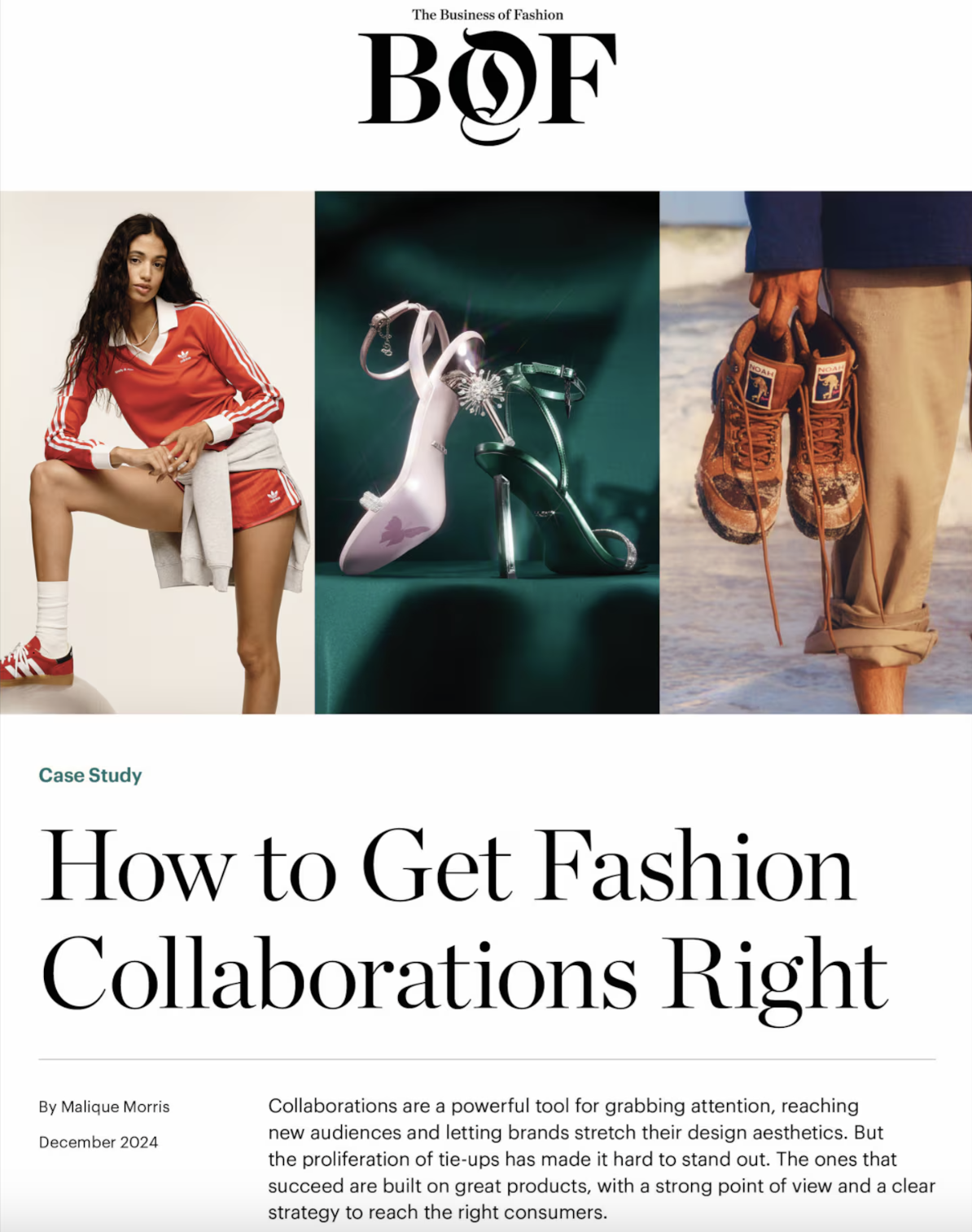
BoF is the leading professional publication for the global fashion industry. Their data-driven articles often include charts and infographics on company growth, market share, and financial performance.
Gen Z’s shift towards alternative asset classes: Investors prioritizing diversification

This article explores why Gen Z investors are rapidly shifting toward alternative assets such as fashion, collectibles, and cultural goods. It highlights how younger investors prioritize diversification, cultural relevance, and hybrid financial-emotional value when deciding where to put their money
Beyond the Runway: Why Fashion Startups Are the Next Venture Capital Frontier

This annual report is the industry benchmark. It provides macro-level analysis on investment trends, consumer shifts, and the economic viability of new fashion business models
A16z Podcast: Making Culture, Making Influence

A16z is a top-tier VC firm. This podcast series features their partners and portfolio founders explicitly discussing why and how they invest in consumer and fashion brands, detailing their investment thesis.
Why sustainable fashion could be in style for responsible investors - AXA
The fashion industry is responsible for as much as 10% of global carbon emissions. Companies are harnessing innovations, new technology and more responsible processes to become more sustainable. This, alongside new policies and regulations, is creating potential investment opportunities
Financial Literacy Tools
Glossary: Reason Street Capital Library
This library cuts through the complexity of venture financing by providing a comprehensive, plain English glossary of investment terms
VC Relations: Stages of Venture Capital

As one of the most prominent banks in the global startup ecosystem, SVB offers an insider's perspective on how companies progress from seed-stage financing to later-stage growth rounds
Unit Economics Explained - Margin Medics
Check out the first part of our Video Clinic series on Unit Economics for founders, operators, and all those seeking to improve their profitability. In this episode we walk you thru the basics, common mistakes, and lastly how to conduct a thorough unit economic analysis of your business. Think of it as a Unit Economics 101 class taught by a startup finance guy and operator that have spent the last decade in the trenches.
The Business Model Canvas - Strategyzer
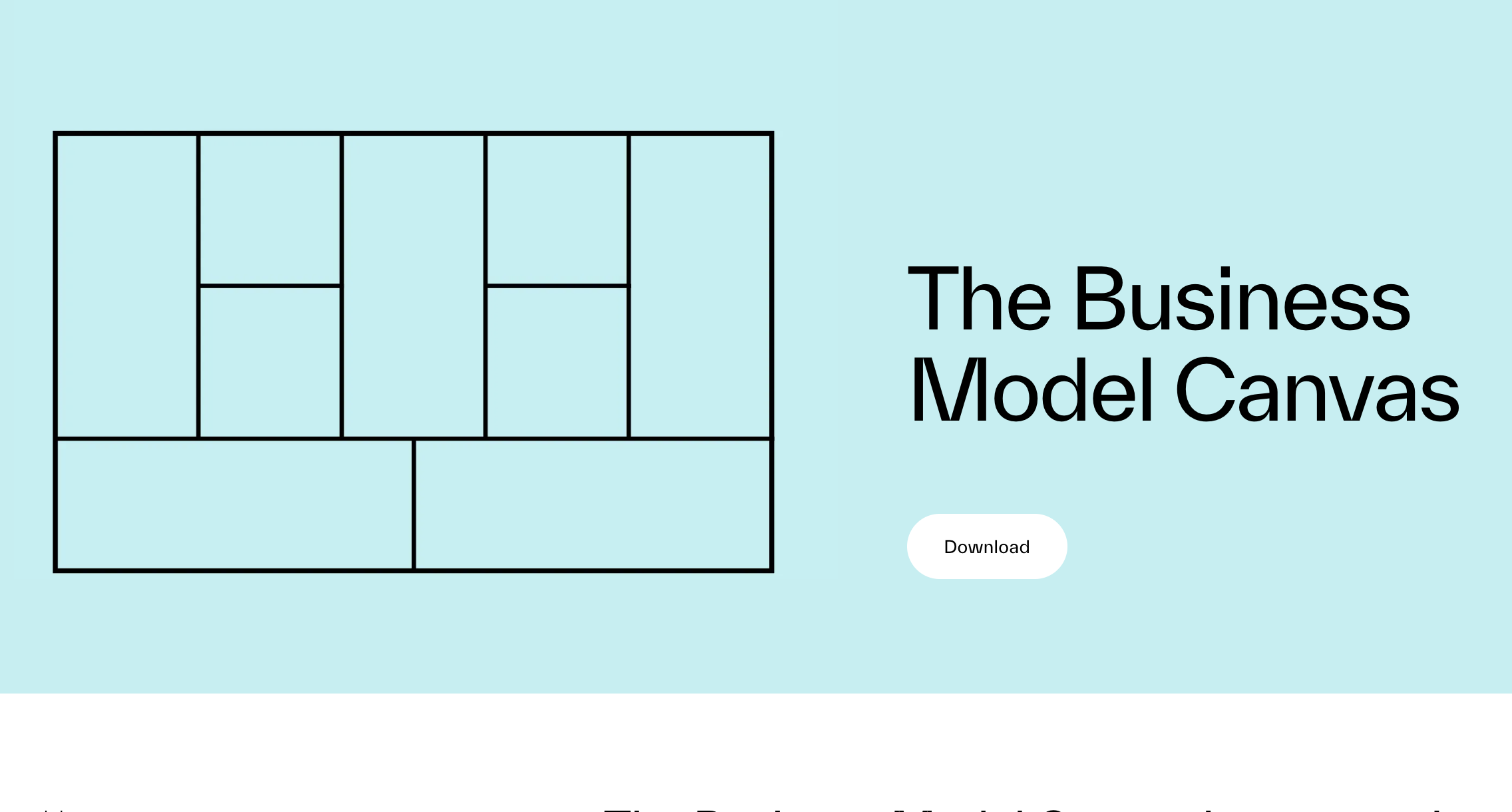
The Business Model Canvas helps you visualize every key part of your fashion venture in one clear, structured page. It’s an essential tool for refining your strategy, aligning your value proposition, and preparing a business model that investors can easily understand
Startup Experience : Market size estimation & Unit economics
Lauri Kokkila from Inventure shares insights on:
1. How do VCs evaluate startups?
2. Market potential (VC math)
3. How to calculate market size both top-down/ bottom-up approaches
4. Unit economics
Strategyzer Webinar: Value Proposition Canvas
The Value Proposition Canvas helps you design products and services that customers really want because it gets you to focus on what matters most to them. You won’t find success with the tool though if you don’t learn how to use it properly. In this session, Strategyzer co-founder Alex Osterwalder walks you through key best practices and techniques for getting the most out of the tool.
For Investors
Guide to Performing Due Diligence in VC

Venture Capital Due Diligence is performed by investors when evaluating potential investments in early-stage startups, which encompass substantial risks.
“Startup Valuation: How Venture Capitalists Value Early-Stage Companies”
“How to Value Your Early-Stage Startup
Evaluating & Valuing Startups

“The Financial Playbook for Fashion Startups: What Investors Really Want to Know”


For Entrepreneurs

Pricing: Michael Dearing on Managing Pricing

Pricing is sometimes thought of as a math problem but to Harrison Metal founder Michael Dearing, it’s a judgment problem. Says Dearing, “The standard economic model of supply and demand is powerful for understanding pricing, but it’s less useful when managing it. In this talk, Dearing shows about how behavioural economics can modify the standard model & provide simple tools to improve your pricing judgment.
Entrepreneurship Essentials (E2) - Customer Discovery with Melissa Byrn
Join Melissa Byrn, Assistant Dean for Clinical Research at UChicago, for a workshop that gives an overview of the customer discovery process. During this workshop, you will learn techniques for facilitating customer discovery interviews, which will help you understand your future customers’ values, pain points, and current solution(s). This process is critical to ensuring that your product or service will be adopted by your customers when it hits the market.
Strategy For Startups - Harvard Business Review

Many entrepreneurs worry that exploration will delay commercialization. So they go with the first practical strategy that comes to mind. This is a strategic playbook to help entrepreneurs navigate through common challenges faced.
Budgeting with Start Up Boston
In today’s fast-paced startup ecosystem, effective financial planning is essential for navigating uncertainty and seizing growth opportunities. This presentation will help you strategically plan your startup's budget, giving you a clear game plan for managing cash flow and allocating resources to ensure sustainable growth.
How to acquire your first 100 customers - Asia Orangio, Founder of DemandMaven

Do you ever wonder how some startups seem to figure out customer acquisition so easily? It seems like one second, you’ve never heard of them and the next second, they’re everywhere you turn. Asia Matos, CEO and Founder of DemandMaven, walks you through the exact go-to-market process for winning your first 100 customers and discovering your absolute best marketing strategies and channels in the early days.
Testing Business Ideas with David Bland - Summer Startup Series
Building on the best selling Strategyzer books, David J Bland and Alex Osterwalder curated a list of experiments for people who are stuck Testing Business Ideas. They identified three major themes from design thinking and applied them to rapid experimentation. Desirability describes whether or not people want the solution. Viability addresses if you can create a sustainable business with the solution. Feasibility dives into the steps to run the infrastructure. In this talk, David will describe the principles behind Testing Business Ideas and facilitate an interactive session on sequencing experiments.